★★★★☆4.4(456 reviews)
Calligraphic Decorative Element for Small Business Branding and Packaging
Elegance in Simplicity: First Impressions of Calligraphic Decorative Element. Thin Li
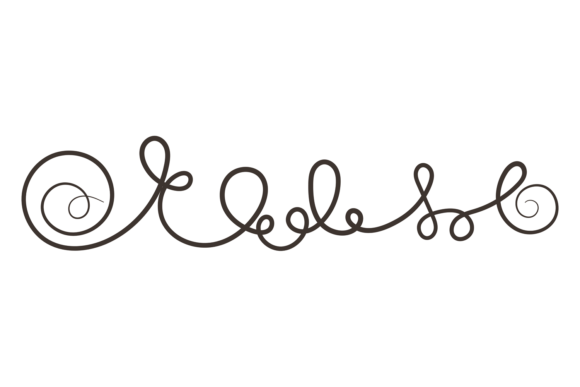
As a brand designer who works closely with local businesses—ranging from boutique stores to artisanal food labels—I’m always on the lookout for design assets that can elevate a brand’s visual presence without overwhelming it. The Calligraphic Decorative Element. Thin Li immediately caught my attention as a subtle yet impactful illustration. It features a delicate, flowing swirl composed of thin lines, isolated on a clean white background. This graphic design asset exudes a sense of soft sophistication and timeless charm.Practical Applications in Real-World Local Business Design
I recently worked with a local bakery launching a new line of holiday cookies. Their branding was warm, nostalgic, and community-focused. When I came across the Calligraphic Decorative Element. Thin Li, I knew it could enhance their product labels and social media graphics without clashing with their existing color palette or font choices.- Product Labels: As an accent on jar labels for homemade jams or jars of holiday spice blends, it adds a decorative flair that aligns with a handmade aesthetic.
- Packaging Accents: Placed along the edge of gift box wraps or as part of a ribbon motif, it elevates the perceived value of the product.
- Social Media Graphics: Used subtly in Instagram posts or Facebook ads for a boutique candle brand, it helped create a cohesive visual identity that felt curated and professional.
- Hang Tags and Stickers: Ideal for adding a decorative touch to fabric tags or reusable stickers for loyalty programs, it supports consistent brand recognition across all customer touchpoints.
- Printable Inserts: Incorporated into thank-you cards or recipe cards, it gives customers something memorable and visually pleasing to keep.
Supporting Stronger Brand Presentation
One of the most valuable aspects of using the Calligraphic Decorative Element. Thin Li is how it contributes to stronger first impressions. In the world of small business, especially in competitive niches like gourmet food, skincare, or home decor, a polished look can significantly influence purchasing decisions.Where It Works Best: A Designer's Perspective
In my experience, the Calligraphic Decorative Element. Thin Li shines brightest in the following areas:- Hero graphics for seasonal campaigns, such as floral accents on Easter cards or festive borders around Christmas promotions.
- Decorative brand elements in editorial design, including printable inserts for a flower delivery service or informational brochures for a wellness brand.
- Promotional banners and posters where the goal is to evoke a certain feeling rather than convey dense information.
- Boutique visuals like signage, window displays, or branded folders—especially for niche or lifestyle-based businesses.
- SVG design projects where scalability is important, such as logo overlays or custom illustrations for Canva templates.
- Transparent PNG design elements for overlaying on photos or product mockups, giving the final image a handcrafted finish.
Where to Use It Carefully: Avoiding Common Pitfalls
While the Calligraphic Decorative Element. Thin Li is beautiful, it’s not always appropriate. Here are some scenarios where I would advise caution:- Formal corporate branding: If your client operates in a more traditional industry like finance or legal services, this illustration might feel too whimsical.
- Very small labels: The fine details may become lost in resolution when scaled down for tiny product tags or bottle seals.
- Crowded product packaging: Using it in complex layouts could lead to visual clutter, especially if competing with other design elements or text.
- Ingredient-heavy layouts: In food labeling or supplement packaging, it should never interfere with readability of nutritional facts or allergen warnings.
- Low-contrast backgrounds: Because it’s a thin line design, it may not show up well on textured papers or dark-colored packaging unless carefully placed.
- Luxury minimalist brands: While minimalism can be elegant, this illustration might add unnecessary decoration for ultra-clean luxury aesthetics.
Designer Notes: Making It Work for Your Brand
Before incorporating the Calligraphic Decorative Element. Thin Li into a project, here are some practical steps I take:- Test it on real packaging mockups: See how it looks on different sizes and shapes of boxes, bags, or bottles.
- Check black and white usage: Ensure it remains legible and stylistically relevant when printed in grayscale.
- Preview it on small labels: Confirm that the design still conveys its intended message at reduced scale.
- Test it with brand colors: Overlay the asset onto your brand’s primary and secondary hues to ensure harmony.
- Compare it with competitor packaging: Use it to differentiate your brand while maintaining visual consistency within your category.
- Review PNG transparency: Especially for digital product mockups or layered designs, the transparent PNG format allows for seamless integration.
- Inspect SVG or vector editability: Since it comes in SVG format, make sure it can be easily adjusted for size, color, or layering in Adobe Illustrator or similar tools.
- Test it beside various fonts: Try placing it alongside serif, sans-serif, script, handwritten, and display fonts to ensure compatibility and balance.
- Confirm commercial licensing: Always check that the asset has a valid commercial license before using it for physical product sales or client work.
Conclusion: A Thoughtful Addition to Local Business Branding
In summary, the Calligraphic Decorative Element. Thin Li is a refined illustration that can bring a sense of artistry and warmth to small business branding. It’s perfect for those who want to create emotional connections through subtle, hand-like strokes that suggest craftsmanship and intention. For designers and creative entrepreneurs working in the realm of graphic design assets, this one is worth keeping in your toolkit. Just remember to apply it mindfully, ensuring it supports rather than distracts from your brand’s core message.
⬇️ Download Free
Free download · No sign-up required
🔗 You Might Also Like
Illustrations
A Delicate Touch for Small Business Branding As a brand designer with years of e...

Illustrations
As a brand designer working with local businesses, I often look for design asset...
Illustrations
As an experienced brand designer working with small businesses, I always start b...
Illustrations
As a brand designer working with small businesses, I often find myself on the hu...
Illustrations
As a brand designer with years of experience working with small businesses, I'm ...
