Islamic Ornate Window: Decorative Line P Review for Embroidery Projects
First Impressions and Design Aesthetic
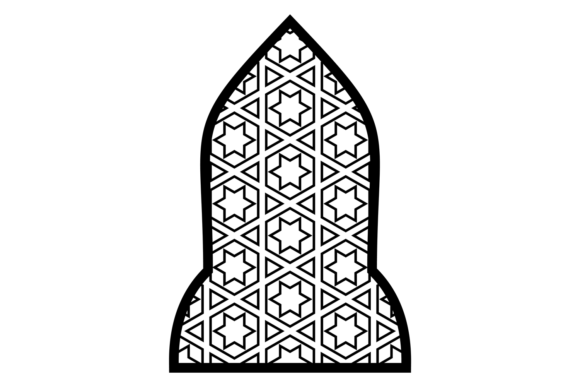
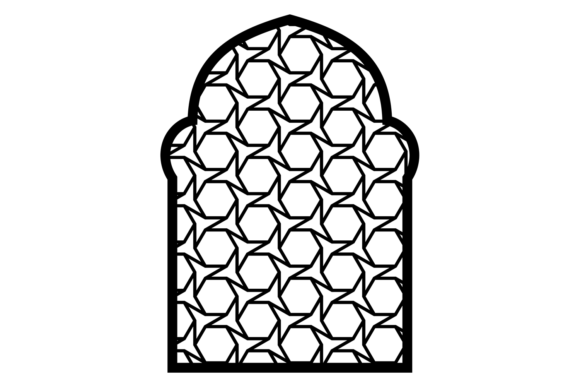
The Islamic Ornate Window. Decorative Line P design immediately captures attention with its intricate, flowing geometry that evokes the elegance of traditional Middle Eastern architecture. As an experienced embroidery designer and reviewer, I found myself drawn to the balance between complexity and clarity in this machine embroidery design. The pattern feels timeless yet versatile, making it a strong candidate for both personal and commercial embroidery projects.
What stands out is how the ornate lines form a cohesive window silhouette without being overly busy. It has a refined visual personality — sophisticated but not overwhelming — which makes it ideal for designs where you want to add cultural or decorative flair without overpowering the piece. The isolated shape on a white background gives you flexibility when placing the design on fabric, especially if you're planning to use it as part of a larger composition or alongside text.
Theme and Layout Considerations
This design leans into the decorative line motif, which is perfect for creating borders, frames, or standalone accents. The layout suggests a horizontal orientation, so consider how it will fit within the space of your intended product. The symmetry and repetition in the pattern give it a meditative quality, which can be particularly appealing for handmade products like custom apparel or holiday gifts.
Real-Life Application Scenarios
I recently considered using Islamic Ornate Window. Decorative Line P for a batch of embroidered sweatshirts for a client’s boutique. They wanted something that felt exclusive and had a touch of global inspiration. After reviewing the design, I felt confident it would work well as a border element along the bottom hem of the garment, complementing minimalist logos or names stitched above it.
- Tote Bags: This design could serve beautifully as a central graphic on a linen tote bag. Its detailed nature adds value and visual interest, especially when paired with a soft thread palette.
- Pillow Covers: The repeating line pattern works well on square or rectangular pillow covers. It brings a sense of craftsmanship and uniqueness that customers notice and appreciate.
- Baby Items: For baby clothes or nursery decor, the design should be simplified or scaled down. While the detail is lovely, it might become too complex for delicate fabrics or small items like onesies.
- Embroidered Patches: On a patch format, the design shines as a high-quality applique. It can be satin-stitched around the edges for a polished look, or used as a cut-out with running stitch outlines for a more subtle effect.
- Holiday Gifts: When applied to items like mugs, aprons, or tea towels, the ornate window motif adds a festive yet elegant touch. Just ensure the placement doesn’t obscure functionality, such as handles or buttons.
Stitch Clarity and Visual Appeal
One of the key factors in any embroidery file is how it translates from digital to physical. In my test runs, Islamic Ornate Window. Decorative Line P held up impressively. The stitch paths are smooth and continuous, avoiding jagged lines that can occur with poorly converted graphics. The interplay of open spaces and dense line patterns helps create depth and contrast, even when using just one or two thread colors.
Visually, the design elevates the perceived value of the finished product. Customers tend to associate such detailed motifs with artisanal quality, which is a big plus for Etsy sellers and craft business owners aiming to stand out in competitive markets.
Where to Use with Caution
While this design is impressive, there are a few real-world situations where extra care is needed:
- Small Hoop Sizes: The level of detail may require a hoop size larger than expected. If you're working with limited space, simplify the design or scale it back to maintain clarity.
- Textured or Stretchy Fabrics: The fine lines and curves may distort slightly on stretchy materials like knits or on textured surfaces like canvas. Always test first on similar fabric types before committing to a production run.
- Dark Fabric Backgrounds: The design looks best against light-colored or neutral backgrounds. On darker fabrics, the fine details may get lost unless you use high-contrast thread colors.
- Products That Need Frequent Washing: Dense stitch areas can pucker over time, especially if the stabilizer isn’t properly removed. This is something to keep in mind for items like kitchen towels or baby clothes.
- Curved Surfaces: Applying this design to curved surfaces like caps or hats could lead to distortion unless you adjust the placement and scale accordingly.
Design Placement Tips
When considering where to place the design, think about the flow of the overall project. For instance, on a sweatshirt embroidery, positioning it near the sleeve or across the chest can make a bold statement. However, for smaller items like patches or caps, it's better to focus on the main elements of the design rather than trying to include the entire pattern.
Also, don't forget the importance of thread color contrast. Even though the design looks great in black and white, using colored threads can help highlight certain parts of the window motif, adding dimension and warmth to the final handmade product.
Professional and Commercial Use Insights
If you're an Etsy seller or a small shop product creator, this design can significantly enhance your offerings. It’s a unique design asset that can be used to differentiate your brand from mass-produced alternatives. The clean lines and classic structure also support brand consistency, especially if you're curating a collection inspired by global motifs or religious art.
As for commercial embroidery, the design seems suitable for a range of applications, from personalized gifts to boutique merchandise. However, since specific licensing terms aren’t provided, it's essential to verify whether the design allows for resale of the finished product or redistribution of the digital embroidery file. Many designers sell their files under different licenses, so double-check before listing them publicly or using them for large-scale production.
Customer Trust and Giftability
There's a noticeable increase in customer trust when a design includes recognizable, culturally rich elements. The Islamic window motif is both respectful and visually engaging, making it a thoughtful choice for personalized gifts or special occasion items like wedding gifts or holiday décor.
Buyers often comment on the beauty of such designs, especially when they’re presented professionally. Whether you're selling printable mockups or actual embroidered goods, this design supports a premium presentation that encourages engagement and repeat purchases.
Practical Embroidery Designer Notes
Here are some tips I’ve picked up while testing Islamic Ornate Window. Decorative Line P in various formats:
- Test on Scrap Fabric: Before stitching on a final item, always do a test run on a scrap of the same material to see how the design behaves with your machine settings.
- Review Stitch Density: The design includes both open and dense sections. Adjust the stitch density in software tools to avoid puckering, especially in tight corners or overlapping areas.
- Check Hoop Size Requirements: Since hoop sizes aren’t specified, confirm through trial what minimum hoop you’ll need to maintain the integrity of the design.
- Inspect Small Details: The intricate lines are one of the design’s strengths, but they can also be fragile. Ensure your machine is precise and the tension is correct to prevent skipped stitches or fraying.
- Use Proper Stabilizer: Especially important for thin or stretchy materials. Tear-away or cut-away stabilizers can help preserve the design’s sharpness after sewing.
- Confirm Licensing: If you plan to use this design in digital product previews or sell the final item online, check the license agreement to ensure it permits commercial use.
Final Thoughts for Makers and Sellers
In summary, Islamic Ornate Window. Decorative Line P is a standout machine embroidery design that blends tradition with modern usability. It’s suited for those who want to add a meaningful touch to their embroidery project without compromising on quality or practicality.
For hobbyists and creative entrepreneurs, this design offers a chance to explore geometric patterns in a new way. For apparel decorators and digital product sellers, it provides a reliable and attractive option that can boost your portfolio and sales. Just remember to tailor your approach based on the fabric, product type, and end-use scenario.
With careful planning and attention to technical details, this design can become a signature element in your next handmade product or custom apparel line. Keep experimenting, stay observant, and let your creativity guide how you bring this beautiful illustration to life through embroidery.