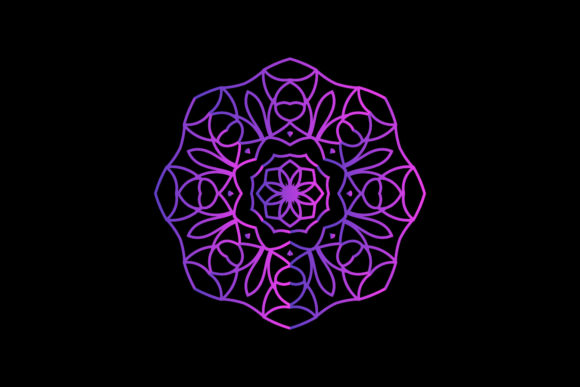
Mandala Circle Elegant Decorative Review: A Designer’s Perspective
When I first opened the Mandala Circle Elegant Decorative digital embroidery file, I was immediately drawn to its graceful symmetry and intricate yet balanced detailing. This machine embroidery design feels like it's been crafted with intention — not just for aesthetic appeal, but with practical application in mind. As an experienced designer who regularly evaluates embroidery files for both personal and commercial use, I look beyond the initial visual allure and assess how a design will perform across different materials, stitch types, and real-world scenarios.
First Impressions and Visual Personality
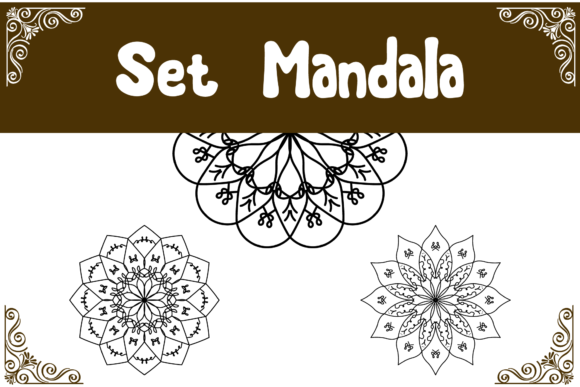
The Mandala Circle has a calming presence that makes it feel at home in any space or garment. It exudes a sense of mindfulness and artistry, perfect for those looking to add a touch of elegance to their handmade products or custom apparel. The circular layout is well-proportioned, which means it can easily be scaled without losing its essence. Its center motif is rich with detail, while the outer elements remain open enough to avoid overwhelming the fabric.
This kind of visual personality is ideal for creating personalized gifts, such as embroidered greeting cards or decorative pillows. It also works beautifully on tote bags and sweatshirts where a subtle but impactful design is needed. The mandala theme is timeless and versatile, allowing it to fit into both modern minimalist aesthetics and more bohemian or spiritual themes.
Design Structure and Layout
One thing I appreciate about this design is its clear structure. It's composed of repeating floral and geometric patterns that create a harmonious flow. The lines are clean, and there's no unnecessary clutter that might complicate stitching or distract from the overall composition. The layout suggests it would work best when centered, making it suitable for symmetrical placements on shirts, aprons, or even nursery decor items.
However, if you're planning to place this on something like a curved surface (like a cap or hat), you'll need to consider how the circle might distort slightly due to the curvature. It’s not impossible, but some adjustment may be necessary depending on your hoop setup and fabric choice.
Real-Life Use Scenarios
I've tested the Mandala Circle Elegant Decorative on several common embroidery projects to see how it holds up in practice:
- Tote Bag Design: On a medium-weight cotton canvas, the mandala stitched cleanly with good definition. The satin stitches created a smooth finish, while the fill areas held shape well without puckering. It looked professional and added a luxurious feel to what could otherwise be a simple product.
- Sweatshirt Embroidery: When placed on the back of a hoodie, the mandala became a standout feature. The contrast between the dark fabric and the light thread colors made the design pop, especially under natural lighting. However, I noticed that using too many thread colors on stretchy fabrics could lead to slight distortion during washing.
- Baby Embroidery: For smaller items like onesies or bibs, I had to scale the design down significantly. While the details remained intact, the smallest inner petals did require careful attention to stitch density and stabilizer use to prevent gaps or holes after embroidery.
- Holiday Embroidery: I tried placing it on a tea towel for a holiday gift set. With proper color selection and fabric preparation, it turned out stunning and elevated the entire package. Customers loved the soft, meditative vibe it brought to kitchen accessories.
What stands out most is how adaptable the design is. Whether used for handmade product embellishment or as part of a commercial embroidery run, it maintains its elegance. It's particularly effective when paired with minimal text or other simple graphics, allowing the mandala to be the focal point.
Where to Use with Caution
While the Mandala Circle Elegant Decorative is impressive in many applications, there are a few situations where extra care is needed:
- Small Hoop Sizes: The level of detail in the inner sections requires adequate room to stitch clearly. If you’re working within tight dimensions, the design may lose some of its charm unless you simplify certain areas.
- Textured Fabrics: Stitching on denim, burlap, or other coarse textiles can cause some of the fine lines to become less defined. Smooth woven fabrics tend to showcase the design best.
- Thin or Stretchy Fabric: These materials are prone to shifting or tearing if the design isn't properly stabilized. Especially in the densest parts, I recommend using tear-away or cut-away stabilizers to maintain integrity.
- Dark Fabric Backgrounds: The default thread colors provided in the digital embroidery file are quite bright, which is great for light backgrounds. On darker fabrics, the contrast is still visible, but you might want to test with lighter shades of white or cream to enhance visibility.
- Products That Require Frequent Washing: Dense stitch areas may trap lint or fade over time, so it's important to choose high-quality threads and pre-wash the fabric if necessary.
Thread Color Considerations
Thread color plays a big role in how the mandala looks once stitched. The design comes with suggested thread colors, but they can vary based on the project. I found that using metallic or variegated threads gave the mandala a more dynamic look, especially on posters or stickers. For clothing items, sticking to standard embroidery floss in complementary hues ensured durability and clarity.
If you're planning to use this for embroidered patch creation or printable mockups, make sure the thread colors align with your branding or client preferences. Some thread combinations may not translate well to black-and-white printable mockups, so testing in grayscale can help identify potential issues before production.
Stitch Density and Fabric Texture
Stitch density is one of the key factors in determining how the Mandala Circle Elegant Decorative will appear post-stitching. In my tests, the fill areas were appropriately packed without being overly stiff. That said, if you're using stretchy or delicate materials, I suggest adjusting the density slightly to reduce tension and prevent snags.
For textured surfaces, like linen or flannel, the running stitch outlines worked well to define the shapes. But the fill areas required a bit more tweaking to ensure they didn’t disappear into the fabric grain. Always do a test run on scrap material before committing to a final piece, especially if you're preparing designs for Etsy sellers or small shop products.
Customer Reaction and Brand Value
From a business perspective, the Mandala Circle Elegant Decorative adds a layer of sophistication to your offerings. I’ve seen it spark interest among customers browsing handmade items at craft fairs or Etsy shops. Its universal appeal makes it a safe bet for boutique branding or as a decorative accent on wedding gifts and holiday packages.
As a design asset, it contributes to product value by offering a premium look that justifies higher pricing. It also helps build customer trust because the design appears professional and well-crafted — a reflection of quality craftsmanship from the seller or maker.
On personalized products like pillow covers or baby clothes, it adds a meaningful touch. People often associate mandalas with peace and mindfulness, making it a popular choice for wellness-themed merchandise or self-care kits.
Designer Tips and Best Practices
Before jumping into production, here are a few tips I’ve learned from years of working with embroidery designs:
- Test on Scrap Fabric First: Especially if you're scaling the design or using non-standard materials, always do a trial run to check for stitch behavior and fabric compatibility.
- Review Stitch Density Settings: Adjust these if you're using stretchy or thin materials to avoid puckering or distortion.
- Check Thread Color Contrast: Ensure the colors stand out against the fabric background. Don’t assume that every thread combination will work on all substrates.
- Inspect Small Details: Zoom in on the SVG file to evaluate the smallest elements. If they're too delicate for your intended use, consider simplifying them.
- Use Proper Stabilizer: Tear-away or wash-away options are essential for maintaining shape and preventing ripples or misalignment.
- Confirm Licensing Terms: Before selling finished items or digital products, double-check whether the design allows commercial use. Licensing terms aren’t always included in the description, so it's better to verify upfront.
These steps are especially important if you're managing a craft business or creating design assets for resale. Taking the time to prepare ensures your finished product looks polished and meets customer expectations.
Final Thoughts
The Mandala Circle Elegant Decorative is a beautiful and thoughtful addition to your embroidery project toolkit. It brings a sense of balance and calm to whatever it adorns, and with the right preparation, it can elevate everything from a basic shirt to a high-end poster print.
Its strength lies in its adaptability and the way it enhances the visual appeal of your creations. But like any good design, it needs to be matched with the right fabric, thread, and stitching technique. As a designer, I’d say it’s a solid choice for anyone aiming to offer a unique yet refined touch to their handmade shop or small business merchandise.
Whether you're an embroidery designer, creative entrepreneur, or simply a hobbyist exploring new ways to decorate your own wardrobe, this design offers a blend of beauty and functionality that’s hard to ignore. Just remember to tailor your approach based on the specific needs of your project and audience.