Butterfly Decorative Elements: A Versatile Graphic Design Asset for Elegant Marketing
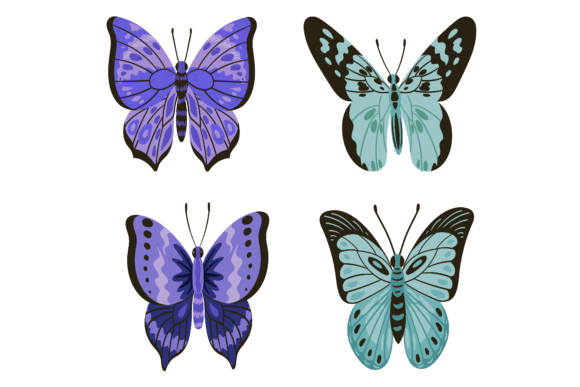
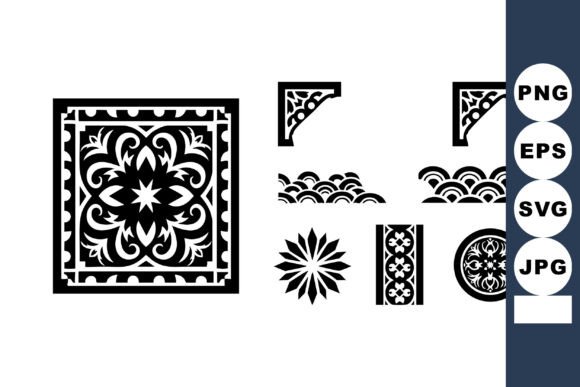
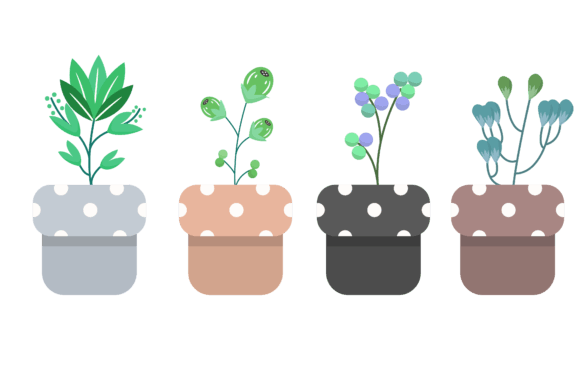
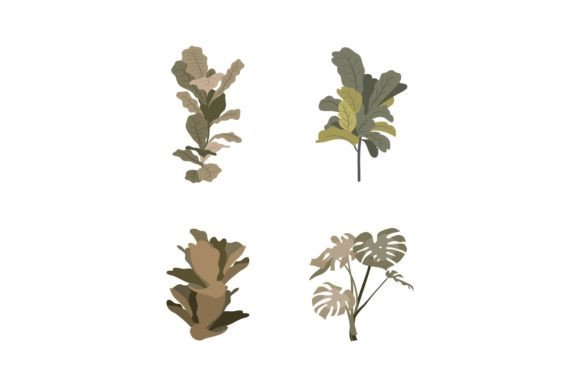
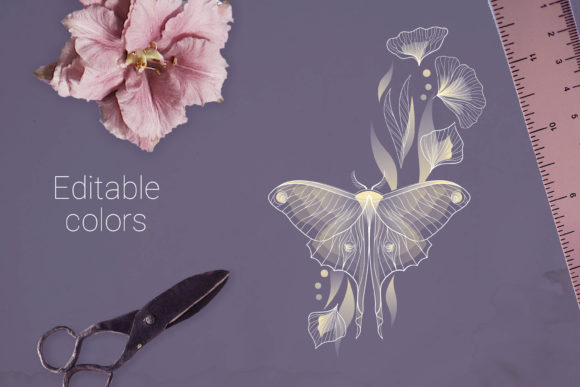
As a brand designer and content marketer, I recently reviewed Butterfly Decorative Elements, a vector-based illustration bundle featuring moths and botanical motifs. This graphic design asset immediately stood out for its delicate balance between whimsy and sophistication, making it an excellent choice for marketers and creative entrepreneurs seeking to elevate their visual storytelling without overcomplicating the message.
A First Impression of Elegance and Flexibility
The first thing that caught my eye was how Butterfly Decorative Elements evoke a sense of grace and nature-inspired beauty. The intricate details of the moth wings and the soft curves of the botanical elements suggest a handcrafted aesthetic, which can be especially effective for lifestyle brands, event promotions, or businesses with a focus on artisanal products. While it leans toward the ornate side, the clean vector lines ensure it maintains a professional appearance across different platforms.
This design feels more at home in premium visuals rather than casual branding. It brings a romantic and ethereal mood—perfect for wedding invitations, seasonal campaigns, or any content aiming to create a warm emotional connection. However, it may not resonate well with brands targeting highly formal or corporate audiences unless used sparingly as an accent.
Real-World Application in Branding Projects
In a recent project for a small business launching a line of handmade skincare products, I needed a set of illustrations that could reflect the brand’s natural and luxurious ethos. Butterfly Decorative Elements fit the bill perfectly. I incorporated them into product labels, social media graphics, and even packaging inserts. Their adaptability allowed me to adjust colors using the vector format, aligning each piece with the brand’s specific color palette while maintaining visual consistency.
These elements also worked well within Canva templates we created for blog headers and email banners. They added a decorative touch that didn’t overwhelm the content but instead supported the overall narrative of elegance and care. For digital ads, I layered them subtly behind key messaging to enhance engagement without distracting from the call-to-action.
Supporting Stronger Visual Communication
One of the most valuable aspects of this design is its ability to support stronger first impressions. When paired with the right typography and layout, Butterfly Decorative Elements can help establish a clear visual hierarchy. For example, placing a moth motif near a headline in a Pinterest pin helped draw attention to the title while keeping the layout clean and balanced.
From a brand identity perspective, these elements can reinforce themes of transformation, beauty, and organic growth. They’re particularly useful for lead magnets like printable guides or downloadable planners where a decorative yet readable layout is essential. By integrating them into our editorial designs, we were able to improve audience trust by creating cohesive, polished content that felt intentional and high-quality.
Where These Illustrations Shine Brightest
Butterfly Decorative Elements are best suited for hero graphics and campaign headers where they can act as a visual anchor. In product launch visuals, they helped differentiate the brand from competitors who leaned too heavily on minimalism. For social media covers and branded templates, they brought a consistent and memorable look across multiple channels.
They also performed exceptionally well in promotional banners and event flyers, especially when used in muted tones to complement bold text. In one case, we designed a series of Instagram posts for a wellness coach, and the butterfly accents enhanced the calming tone of the content. The same assets were later adapted into merchandise mockups, such as stickers and tote bags, giving the brand a recognizable and attractive signature style.
Design Limitations and Cautions
While versatile, there are certain scenarios where these elements should be used carefully. For instance, in formal corporate branding, the ornate nature of the illustrations might clash with the expected level of professionalism. Similarly, in dense information layouts like infographics or white papers, they could become distracting if not placed thoughtfully.
Small mobile graphics also require caution. The detailed nature of the moths and botanicals means they need sufficient space to remain legible. If scaled down too much, they risk becoming pixelated or losing their charm. Additionally, they may compete with the main message in text-heavy ads, so it's important to test their placement and opacity to ensure they enhance rather than hinder readability.
Brand Designer Tips for Implementation
- Test with your brand color palette: Use the vector format to customize the outlines and shapes for alignment with your brand’s hues.
- Check black and white usage: Ensure the design remains impactful in grayscale for print materials or low-color environments.
- Place in real campaign mockups: See how they interact with other design components before finalizing layouts.
- Preview on mobile screens: Confirm that the decorative elements scale well and don't obscure key messaging on smaller devices.
- Test readability in small sizes: Avoid using overly detailed parts of the design in thumbnails or icons.
- Compare against competitor visuals: Use them strategically to stand out without mimicking others in the same niche.
- Pair with different font styles: Try serif, sans-serif, script, and display fonts to find the perfect match for your message.
- Review spacing and balance: Don’t let the design dominate the composition; keep the focus on your core message.
- Confirm commercial licensing: Always verify permissions before using in paid campaigns, client work, or business branding.
Why Choose Butterfly Decorative Elements?
For content creators and small business owners, having access to a high-quality graphic design asset like Butterfly Decorative Elements can streamline the creation of marketing visuals. Whether you're designing a new logo, building a content kit, or refreshing your website headers, these illustrations offer a unique blend of creativity and usability.
They work especially well in digital product visuals and printable designs, allowing you to craft beautiful, shareable content quickly. As part of a design bundle, they provide variety without clutter—ideal for maintaining visual interest across your brand’s collateral without sacrificing coherence.
Final Thoughts on Audience Appeal and Campaign Impact
The Butterfly Decorative Elements have a broad appeal, particularly among audiences interested in nature, weddings, lifestyle content, and premium handmade goods. They can attract attention in a subtle yet refined way, helping to build stronger recognition and emotional connection over time.
When integrated properly, these illustrations can significantly enhance the professional branding of a campaign. They add a layer of creativity that elevates the visual experience while supporting the underlying message. Just remember to use them wisely—ensuring they serve the purpose of your content rather than overshadowing it.
If you're looking to inject a bit of elegance into your next marketing project, consider adding Butterfly Decorative Elements to your toolkit. With thoughtful application, they can transform ordinary graphics into extraordinary brand expressions.