Ornamental Decorative Elements with Flo: A Refined Graphic Design Asset for Elegant Illustrations
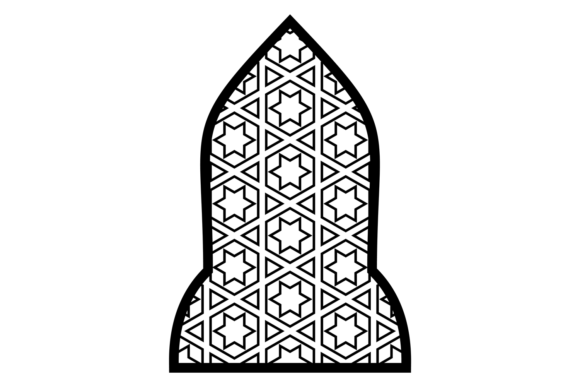
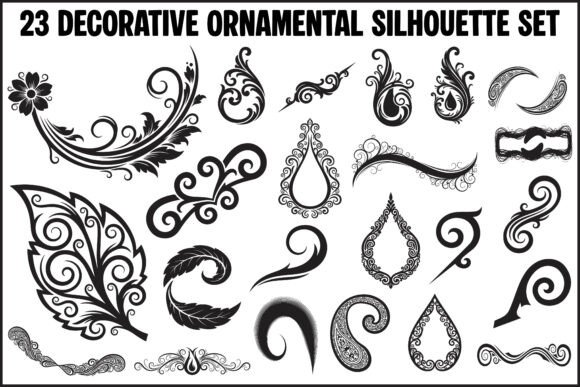
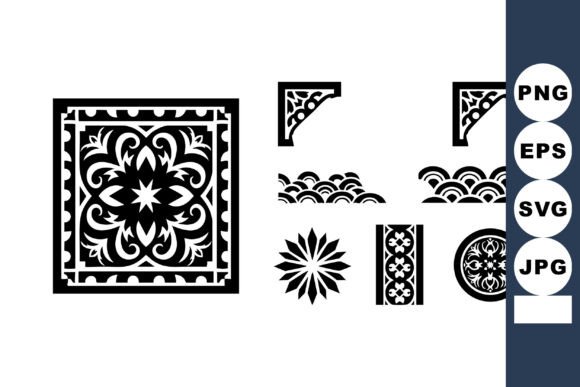
As a professional graphic designer who regularly works on branding, packaging, and digital campaigns for small businesses and creative entrepreneurs, I always look for design assets that elevate the visual tone without overshadowing the message. Ornamental Decorative Elements with Flo caught my attention precisely because of its classic yet versatile aesthetic. These vector-based illustrations feature a blend of floral motifs and geometric shapes in crisp black and white patterns—ideal for designers seeking an elegant mood to enhance their projects.
Elegant Style Meets Practical Use in Brand Identity Projects
When I first opened the asset folder, I was immediately struck by the sophistication of the designs. The mix of floral and geometric elements creates a timeless feel, which is especially valuable when crafting brand identities for handmade businesses or boutique product lines. Whether it’s used as a border for product labels or subtly integrated into website headers, these elements can help convey a sense of craftsmanship and heritage.
The square, circle, and corner shapes included are well-suited for modular layouts, such as social media graphics or Canva templates. Their clean edges and intricate inner details offer a balance between tradition and modernity—an essential trait for any graphic design asset aiming to stand out in today’s competitive creative marketplace.
Performance in Real-World Client Projects
I tested Ornamental Decorative Elements with Flo across several project types to gauge its effectiveness. In product mockups, the patterns added a refined touch to t-shirt designs and mug mockups, especially when paired with muted tones or pastel palettes. The file quality remained sharp at large sizes, which is crucial for print-on-demand sellers needing high-resolution outputs.
In packaging design, the elements worked beautifully as background accents for gift boxes and cosmetic jars. They brought depth and texture without becoming overwhelming, making them suitable for both minimalist and richly detailed layouts. However, when applied to professional corporate materials, they felt slightly too ornate—suggesting they may not be the best fit for all industries.
Perfect for Themed Campaigns and Seasonal Marketing
These illustrations are particularly effective for seasonal campaigns or themed collections. For example, using them in holiday flyer design or event poster concepts adds a layer of visual storytelling that connects emotionally with the audience. The classic style resonates with traditional audiences while still feeling fresh enough for contemporary use.
For a local artisan selling handcrafted candles, I incorporated these graphics into label art and packaging wraps. The result was a cohesive look that felt both authentic and polished—something that many handmade brands struggle to achieve without appearing cluttered or unprofessional.
Considerations for Layout and Readability
While Ornamental Decorative Elements with Flo enhances visual appeal, it's important to consider how it affects visual hierarchy. When layered over text-heavy areas, such as editorial content or product descriptions, the patterns can reduce readability if not placed carefully. To maintain clarity, I recommend using them as borders or subtle background textures rather than full overlays.
- Large layout areas: Ideal for hero sections, banners, and wall art where the pattern can breathe and shine.
- Hero graphics: Works well as a decorative frame or accent in blog headers and landing pages.
- Printable designs: Perfect for printable wall art, stickers, and Cricut projects due to its clean vector format.
- Supporting brand elements: Adds a signature style to newsletters, email templates, and branded stationery.
Where to Use It Carefully
Though beautiful, this design asset isn’t one-size-fits-all. It should be used cautiously in the following scenarios:
- Small sizes: The fine details might get lost when scaled down for icons or buttons.
- Crowded layouts: Overuse can lead to visual noise, especially in complex infographics or data-heavy presentations.
- Complex backgrounds: Layering over busy or colorful images could diminish the elegance of the patterns.
- Low-contrast designs: Since the asset is black and white, it needs a strong color contrast to remain legible and impactful.
- Minimalist branding: While it can complement minimalism, it may clash with ultra-clean aesthetics if not balanced properly.
Design Compatibility and Font Pairing
One of the key strengths of Ornamental Decorative Elements with Flo is its ability to pair well with a range of typography styles. During testing, I found that it harmonized especially well with serif fonts like Georgia or Caslon, which share a similar classical vibe. Sans-serif fonts such as Helvetica or Lato also work effectively, providing a modern contrast that prevents the overall design from feeling outdated.
Script and handwritten fonts can be more challenging to match. Unless the project leans heavily into vintage or artistic themes, these pairings may appear visually jarring. Display fonts, however, can benefit from the ornamental touches, particularly in posters or invitation cards where bold lettering meets delicate detailing.
Technical Quality and Commercial Suitability
From a technical standpoint, the asset includes SVG files, which is a big plus for digital design flexibility. Being able to edit each element individually within Adobe Illustrator or other vector tools gives designers greater control over placement, scaling, and color adjustments. If PNG files are included, I always check the transparency and resolution before using them in final deliverables—especially for web and print-on-demand applications.
Another critical factor is the commercial license. As someone who frequently sources design assets for client projects, I cannot stress enough how important it is to confirm licensing rights. Ornamental Decorative Elements with Flo appears to be available under a commercial license, but always double-check the terms to ensure it aligns with your intended use—whether you're creating an Etsy product, sublimation design, or a digital product for resale.
Testing Across Platforms and Outputs
To evaluate its performance, I previewed the asset on various platforms including Instagram posts, Pinterest pins, and Canva templates. On mobile screens, the patterns maintained clarity and detail, which is vital for engaging visual content. When printed, the black and white contrast held up well, though I noticed slight variations in line weight depending on the printer used. This reinforces the importance of testing print quality before mass production.
For Cricut projects, the clean lines and varied shapes made it easy to cut and apply on different surfaces like cardstock, fabric, or acrylic. The versatility of the design allows it to be adapted for multiple uses without losing its integrity or charm.
Emotional Appeal and Audience Engagement
What makes Ornamental Decorative Elements with Flo stand out is its emotional resonance. The floral and geometric interplay suggests refinement and creativity, which can be powerful for brands targeting niche markets like luxury home goods, fashion accessories, or wellness products. It adds an air of sophistication that helps build visual trust and supports brand recognition.
However, the success of the asset depends on the project’s target audience. Younger demographics or those favoring modern, no-frills design may find it less appealing unless it’s used sparingly and strategically. That said, for handmade businesses and small business branding, it can serve as a defining visual trait that sets them apart.
Designer Notes: Best Practices and Recommendations
Here are some practical tips for integrating Ornamental Decorative Elements with Flo into your next client project:
- Test it in black and white: Confirm that the patterns hold up without color, especially if the project requires monochrome printing.
- Check contrast on light and dark backgrounds: These elements need sufficient contrast to avoid blending into the design unintentionally.
- Preview at small and large sizes: Ensure scalability so the details don't become distorted or illegible at different resolutions.
- Place it on real mockups: Visualize how it looks on actual products like tote bags, mugs, or packaging to catch potential issues early.
- Review file formats: Make sure SVG and PNG files are optimized for both digital and print use.
- Inspect PNG transparency: Especially useful for overlaying on photos or customizing with gradients in post-production.
- Compare with font styles: Choose fonts that complement the ornamental nature without clashing in scale or style.
- Confirm commercial licensing: Always verify usage rights before applying it to a client’s project or selling it as part of a design bundle.
Why This Is a Valuable Creative Design Resource
Despite the limitations, Ornamental Decorative Elements with Flo remains a strong contender in the world of design assets. Its adaptability across digital and physical mediums, combined with its elegant visual language, makes it a go-to choice for a variety of clients—from indie crafters to digital sellers looking to add a touch of classic beauty to their offerings.
It's the kind of creative design that feels intentional and thoughtful. Whether you're designing a logo with subtle flourishes or creating editorial layouts for a lifestyle blog, these elements can bring cohesion and character to your work. Just remember to use them wisely and always prioritize the message over the embellishment.
In summary, Ornamental Decorative Elements with Flo is a compelling option for designers working on printable designs, digital ads, and themed collections. With careful application, it can transform a standard project into something memorable—without compromising professionalism or usability.