Eastern Ornament in Decorative Islamic Window Graphics for Designers
As a professional graphic designer with years of experience working on branding, packaging, and digital campaigns, I often find myself sifting through design assets to find the perfect one that aligns with a project’s visual tone. Recently, I came across Eastern Ornament in Decorative Islamic Window, and it immediately caught my eye—not just for its aesthetic appeal but for how it could enhance a variety of creative projects.
First Impressions: A Touch of Cultural Elegance
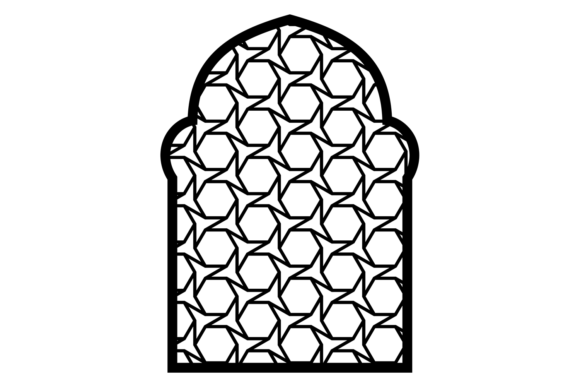
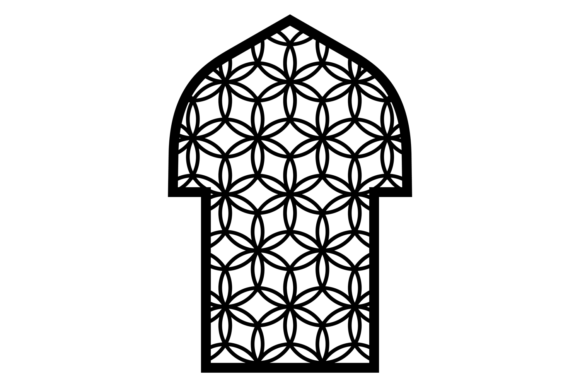
The first thing that struck me about this ornament is its intricate detailing and the unmistakable influence of traditional Islamic art. It features a window-like structure filled with geometric patterns and ornamental flourishes, all rendered in clean lines and elegant symmetry. The design feels both classic and versatile, offering a sense of heritage while being adaptable enough for modern applications.
Isolated on a white background, the ornament stands out as a strong focal point. This makes it ideal for use in branding or editorial work where you want to evoke a sense of sophistication and cultural richness. Its stylized form suggests it fits well into handmade business visuals, luxury product packaging, or even seasonal campaign materials like Ramadan cards or Middle Eastern-inspired event invitations.
Style and Mood
This asset carries a distinct mood—refined, artistic, and timeless. It doesn’t shout; instead, it adds a quiet layer of elegance that can subtly elevate the overall look of a design. It represents the beauty of creative design rooted in tradition, making it especially useful for brands that want to incorporate global aesthetics without compromising professionalism.
Practical Applications Across Creative Projects
When evaluating a design asset for real client work, I consider how it functions across multiple formats and contexts. Here are some of the ways Eastern Ornament in Decorative Islamic Window could be used effectively:
- Logo Design: As a supporting element behind a minimalist logo, it can add depth and character without overwhelming the main brand mark.
- Brand Identity: Incorporating this ornament into a design bundle could help create a cohesive theme for businesses focusing on cultural appreciation or artisanal products.
- Product Labels & Packaging Design: Placed at the top or bottom of a label, it enhances the visual storytelling, suggesting quality and authenticity.
- Editorial Design: In magazine layouts or blog posts discussing architecture, history, or travel, this illustration adds an authentic visual anchor.
- Digital Ads & Social Media Graphics: When layered over a solid color or subtle gradient, it works beautifully as a hero graphic for Pinterest pins, Instagram posts, or Facebook ads targeting niche audiences.
- Print-on-Demand Products: It’s an excellent choice for printable wall art, greeting cards, or Canva templates aimed at users who appreciate decorative motifs.
- Cricut Projects: With its detailed yet scalable nature, this SVG design could be used for custom stickers, cut files, or layered designs on fabric and paper crafts.
- Web Design: When used in header sections or background overlays, it contributes to a unique and memorable user experience, especially for websites with a cultural or artisan focus.
Where This Design Works Best
Some of the most impactful uses of Eastern Ornament in Decorative Islamic Window include:
- Large Layout Areas: The complexity of the pattern shines when given space to breathe. Think website headers, poster backgrounds, or large print displays.
- Hero Graphics: Whether in digital marketing or physical signage, this ornament can serve as a bold statement piece that draws attention.
- Decorative Accents: Used sparingly, it can frame text, highlight key elements, or serve as a corner embellishment in product mockups.
- Themed Collections: Ideal for print-on-demand sellers or Etsy shops curating items around a specific cultural or historical theme.
- Printable Designs: Thanks to the transparent PNG and SVG options, it’s great for downloadable content, such as printable quotes, calendars, or educational infographics.
- Supporting Brand Elements: It pairs well with handwritten or script fonts in brand collaterals, helping to maintain a consistent and rich visual language.
Use with Caution in These Contexts
While the ornament is visually compelling, it’s not always the best fit. Here are some scenarios where I’d suggest using it carefully:
- Small Sizes: The fine details may become lost if scaled too small, which can affect clarity and visual impact.
- Crowded Layouts: In busy compositions, such as corporate brochures or minimalist branding, this design might distract rather than support the message.
- Complex Backgrounds: Because of its intricate nature, placing it over textured or patterned backgrounds can muddy the image and reduce legibility.
- Low-Contrast Designs: If your project relies on muted tones or pastels, ensure the ornament still has enough contrast to remain visible.
- Professional Corporate Materials: While beautiful, this ornament may not align with the sleek, no-nonsense style expected in formal business documents or presentations.
- Projects Requiring Clean Visual Hierarchy: For dashboards, infographics, or data-driven designs, simplicity is key—this asset may introduce unnecessary visual noise.
- Test Print Quality: Even though it’s available in high-res JPG and EPS formats, I always verify how it looks when printed—especially for merchandise like mugs or tote bags.
- Inspect File Formats: Confirm whether the file types (EPS, SVG, transparent PNG) meet the requirements of your printing service or platform, like Cricut or sublimation printers.
- Check SVG Editability: If you plan to customize the design, make sure the vector format allows for easy editing in software like Adobe Illustrator or Inkscape.
- Confirm Commercial Licensing: It’s essential to review the commercial license before using this asset in a client project or selling products based on it. Some platforms offer different licensing tiers, so clarify what's included.
- Compare Font Pairings: Test the ornament with various fonts—serif, sans-serif, script, display—to see which combinations feel harmonious and professional.
Impact on Readability and Brand Consistency
Incorporating Eastern Ornament in Decorative Islamic Window into a project requires careful consideration of readability. When placed behind text, I recommend testing it in black and white to see how it affects legibility. Also, preview it against both light and dark backgrounds to ensure it remains clear and functional.
From a brand identity perspective, this asset supports a consistent visual narrative when used alongside complementary fonts and colors. For example, pairing it with a serif font can enhance its classical feel, while a sans-serif typeface might balance it more in modern design settings. Always check that the ornament complements the brand voice rather than clashing with it.
Commercial Use Considerations
Before finalizing this design for any commercial design project, there are several practical steps I take:
Why This Is a Valuable Creative Asset
What makes Eastern Ornament in Decorative Islamic Window stand out is its ability to bring a touch of authenticity and artistry to otherwise standard graphics. It helps differentiate a project from generic stock illustrations, adding a level of craftsmanship that resonates with audiences seeking meaningful, handcrafted aesthetics.
For small business branding, it can help establish a unique visual signature. For marketers, it offers a way to tap into cultural themes in a respectful and tasteful manner. And for bloggers or publishers, it brings a refined edge to editorial content or themed articles.
Final Thoughts for Professional Designers
In conclusion, Eastern Ornament in Decorative Islamic Window is a powerful addition to your graphic design asset toolkit. It’s particularly effective in illustrations and graphics that require a blend of traditional charm and modern usability. Just remember to evaluate its role within the context of your project and test it thoroughly before going live.
If you're looking to add cultural flair to your next design—whether for an Etsy product, a boutique packaging line, or a creative marketplace listing—this ornament is worth considering. However, don’t forget to match it with the right typography, spacing, and layout strategy to maintain visual hierarchy and brand consistency.
Designers, brand owners, and content creators should treat this asset as a flexible tool. It can be scaled up for dramatic effect or softened for subtle accents. Either way, it has the potential to transform your work and give it a polished, globally inspired finish.