Vintage Ornamental Decorative Elements for Timeless Graphic Design
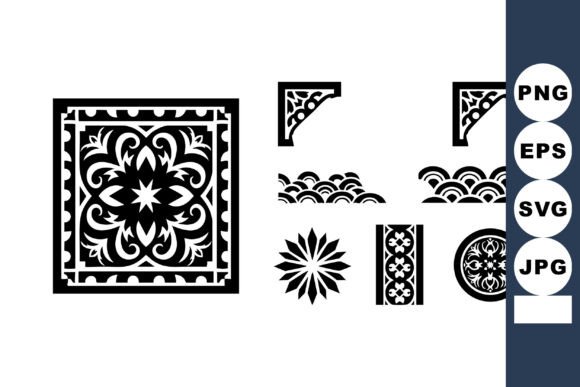
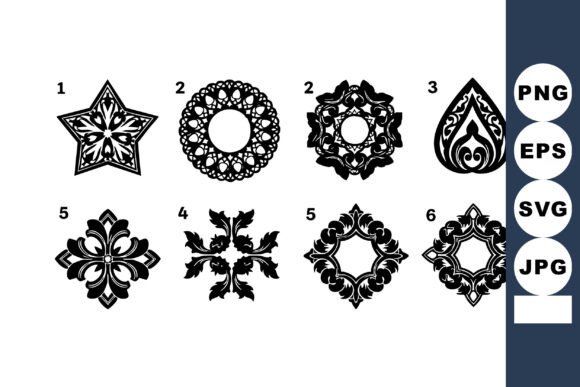
As a professional graphic designer with years of experience in branding, packaging, and digital marketing, I often find myself sifting through design assets to determine their suitability for real-world client projects. Today, I’m reviewing Vintage Ornamental Decorative Elements, a set of seven black silhouette vector illustrations that combine star and floral motifs with a classic, elegant aesthetic. These graphics are positioned as an ideal fit for vintage or ornate visual styles, but how do they truly perform in practical design scenarios?
A First Look at the Visual Mood
The first thing that stands out about Vintage Ornamental Decorative Elements is their strong sense of nostalgia and refinement. Each illustration carries a handcrafted feel while maintaining clean lines and precise shapes. The use of black silhouettes evokes a timeless elegance that works well in both print and digital formats. This style aligns perfectly with handmade businesses, small business branding, and seasonal campaigns seeking to convey sophistication without overcomplication.
I immediately recognized the potential of these elements for brand identity and packaging design. Their muted tone and intricate yet simple forms suggest a versatility that can adapt to various contexts—be it as a subtle background detail or a bold foreground accent. However, like any design asset, their effectiveness depends heavily on the project’s requirements and the designer's eye for integration.
Real-World Application: Where It Shines
In a recent project for a local artisanal candle brand launching on Etsy, I needed a set of decorative accents that would enhance product labels and social media posts without overpowering them. Vintage Ornamental Decorative Elements proved to be an excellent choice for creating product mockups and printable designs that felt cohesive and visually appealing.
- Hero Graphics: Placed in large layout areas, these elements add depth and character without distracting from key messages. They’re especially effective in editorial design or blog visuals where a touch of vintage charm is desired.
- Themed Collections: For holiday or seasonal campaigns, these illustrations provide a consistent motif that ties multiple design assets together—perfect for flyers, posters, or invitations.
- Print-on-Demand Products: When used in sticker design, t-shirt design, or mug templates, the high-resolution vector format ensures crisp output even when scaled up for merchandise.
- Cricut Projects: The clean lines and solid fills make these elements ideal for cutting machines, allowing for easy application in DIY crafts and personalized items.
- Canva Templates: As a graphic design asset, these illustrations can elevate the look of pre-made templates by adding a layer of traditional flair that modern audiences still appreciate.
Emotional Appeal and Brand Consistency
One of the most compelling aspects of using Vintage Ornamental Decorative Elements is their ability to evoke emotion subtly. Whether you're designing for a boutique skincare line or a family-run bakery, these illustrations help create a warm, inviting atmosphere. They support brand consistency by offering recurring motifs that reinforce a theme across all touchpoints—from website graphics to social media posts.
However, it’s important to note that this type of illustration might not suit every brand. If your client is aiming for a modern design or minimalist branding, these elements could clash unless used sparingly and strategically. But for those leaning into heritage, craftsmanship, or artisanal aesthetics, they’re a perfect fit.
Design Performance in Different Contexts
Let’s break down how these elements behave in different design environments:
Large Layout Areas and Hero Sections
In hero sections of websites or posters, these illustrations serve as elegant borders or corner embellishments. Their simplicity allows them to blend seamlessly with photography or text while still contributing to the overall visual hierarchy. The black silhouette style makes them highly adaptable to color schemes, as long as contrast is maintained.
Supporting Brand Elements
These elements can act as supporting features in logo design or brand identity systems. For instance, a small floral accent next to a logo can hint at tradition and quality without overwhelming the mark. They also work beautifully as watermarks or texture overlays in editorial design or digital ads.
Printable and Commercial Use
For printable wall art or merchandise, the SVG design format offers scalability and sharpness, which is crucial for professional results. I recommend previewing them in EPS or AI files if you plan to edit the paths or integrate them with custom typography.
Where Caution Is Advised
While these elements bring a lot to the table, there are specific situations where they may need to be handled with care:
- Small Sizes: At smaller scales, such as icons or thumbnails, the fine details of these illustrations may become lost. Always test them at actual size before finalizing a design.
- Crowded Layouts: In complex layouts filled with multiple design layers, these elements can get buried or compete for attention. Use them as accents rather than dominant features.
- Low-Contrast Designs: Since these are black silhouettes, ensure they are placed against light-colored backgrounds to maintain visibility and clarity.
- Professional Corporate Materials: While versatile, these illustrations lean more toward creative or artistic use cases. Avoid using them in formal corporate brochures unless paired with more structured design elements.
Readability and Hierarchy Considerations
When incorporating these elements into text-heavy designs, always consider their impact on readability. I’ve found that pairing them with serif fonts or script fonts enhances their traditional vibe, while sans serif or display fonts might dilute their intended effect. Be cautious not to let the illustrations interfere with legibility, especially in marketing visuals or digital ads where message clarity is paramount.
Designer Checklist Before Going Live
Before integrating these elements into a commercial design, here are some essential checks:
- Test in Black and White: Since the design uses only black silhouettes, ensure it still works in grayscale for printed materials or monochrome outputs.
- Check Contrast: Verify that the elements remain visible on both light and dark backgrounds. Adjust placement or add a white outline if needed.
- Preview at Small and Large Sizes: Confirm that the design holds its integrity when scaled down for buttons or scaled up for banners.
- Place on Real Mockups: Try applying them to actual product photos or website headers to see how they interact with other design components.
- Test Print Quality: If printing on fabric or paper, evaluate how the black ink renders in physical form—especially for sublimation design or stickers.
- Review File Formats: Make sure you have access to editable SVG or vector files if customization is required. Also check for PNG transparency options for layered digital use.
- Confirm Commercial License: Always verify that the commercial license allows for the intended usage, especially if selling the final product in a creative marketplace or using it in a design bundle for resale.
Why This Asset Matters in Creative Work
What makes Vintage Ornamental Decorative Elements stand out isn’t just their visual appeal—it’s their ability to contribute to a cohesive design system. These aren’t just clipart; they’re illustrations that can shape the mood of a design project when applied thoughtfully. From packaging details to campaign visuals, they offer a refined edge that can elevate the perceived professionalism and emotional appeal of a piece.
Moreover, their compatibility with tools like Cricut and Canva makes them accessible to a wide range of creators, including bloggers, crafters, and digital sellers. That said, they require a discerning approach to avoid appearing outdated or cluttered in the wrong context.
Aesthetic Versus Functionality
It’s worth noting that while these elements are stylistically rich, they don’t carry the same functional weight as more modern graphics or illustrations. They should complement—not overshadow—other design components. In a web design setting, for example, they might be best suited for header dividers or section separators rather than full-page content.
Final Thoughts for Designers and Creators
In conclusion, Vintage Ornamental Decorative Elements are a valuable addition to the creative design toolkit, particularly for those working with handmade brands, Etsy shops, or seasonal campaigns. Their classic silhouette style brings a level of polish that many clients seek to differentiate their offerings in a crowded market.
But as a seasoned designer, I know that choosing the right graphic design asset means understanding not just what looks good, but what functions effectively within a broader visual strategy. These elements pass the test in terms of quality and style, but they must be evaluated carefully based on the project’s needs and audience expectations.
If you're looking for a way to inject classic elegance into your next project without compromising on professionalism or usability, give these elements a try—but always test them in context before final delivery.